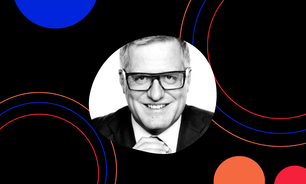
AI is changing how governance, risk and compliance teams operate, but the accountability regulators, clients and candidates expect hasn't gone anywhere. For Dive In Festival 2026, we asked Stephanie Coleman, director in our GRC practice, what that shift looks like in practice for senior hiring. Here's her perspective:
How is AI adoption impacting trust and human judgement in insurance? What opportunities or frustrations are you seeing in hiring from a candidate and client perspective?
AI is undoubtedly changing how businesses operate, particularly risk and compliance. But I think the more senior you get, the more important human judgement, challenge and accountability become.
From a GRC hiring perspective, we're seeing organisations look for leaders who can understand the value of AI without necessarily being technologists. They need people who can ask the right questions: how are we using it? What could go wrong? Are we comfortable with the data? Who is accountable for the decision? And can we evidence that decision?
For candidates, that creates a real opportunity. The strongest senior professionals aren't trying to compete with AI; they're demonstrating how they can use it to improve decision-making while knowing when human intervention is essential.
The frustration I see is when candidates assume AI-generated work will demonstrate expertise.
What do senior insurance professionals need to work on to remain ready for future ways of working?
I think it comes down to adaptability, curiosity and judgement.
Senior GRC professionals don't necessarily need to become AI specialists, but they do need enough understanding to challenge how AI is being used within their organisation and understand the associated risks.
The role of the senior risk or compliance leader is increasingly shifting from, "How do we stop this?" to "how do we enable this safely?" That requires a different mindset.
How are candidates or clients communicating differently as AI use increases, whether in written work, interviews or day-to-day interactions?
We're seeing AI become part of how people prepare and communicate. Candidates can use it to research a business, prepare interview answers or structure written work, and clients are doing the same when creating role profiles or market materials.
There are obvious benefits, but it also creates an interesting challenge in recruitment: how do you distinguish someone's genuine thinking from something they've generated or heavily refined using AI?
For senior hires particularly, we're placing more emphasis on the conversation itself: understanding how someone thinks, challenges, prioritises and responds when the conversation moves away from a prepared answer.
I think the recruitment process itself must become more human, not less. The more AI-generated content we see, the more valuable authentic conversation, relationship-building and judgement become, and the market echoes this thought.
Stephanie Coleman is a director in Eames Consulting's governance, risk and compliance practice. If you’d like to discuss building future-ready risk and compliance teams, get in touch at stephanie.coleman@eamesconsulting.com
Related insights