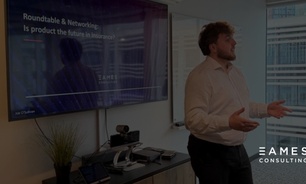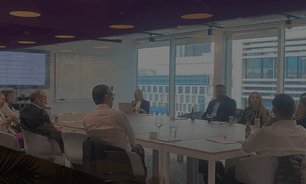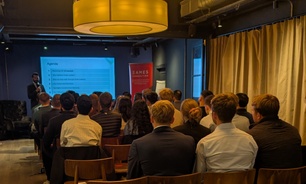
AI is taking on more technical work in pricing and actuarial roles, but that doesn't mean human judgement matters less. For Dive In Festival 2026, we asked Sam Baker, senior principal consultant in our actuarial practice, what this shift means for hiring and for developing the next generation of talent. Here's his perspective.
How can senior talent in your specialism embrace AI while keeping inclusion, trust and human judgement at the core?
Senior leaders within personal lines pricing and actuarial should use AI to strengthen expertise, not replace accountability. This means giving everyone access to training and encouraging colleagues to challenge AI outputs.
Trust requires protected customer data, explainable decisions and checks for unfair outcomes across customer groups. Human oversight must remain meaningful, particularly for significant pricing changes.
From a recruitment perspective, employers should value curiosity, communication and sound judgement alongside technical skills, while preserving opportunities for junior colleagues to learn.
Ultimately, AI should give people more time to exercise judgement, not fewer opportunities to develop it.
How is AI adoption impacting trust and human judgement in insurance? What opportunities or frustrations are you seeing in hiring from a candidate and client perspective?
The increased use of AI should result in more informed human judgement, but should not result in judgement being less involved. The key to developing trust in AI is for people to truly understand it while challenging the outputs.
Candidates see AI as an opportunity to develop their skill set and rate of learning.
However, frustrations arise when they're not given exposure from their current employer and feel like they're falling behind. Equally, there is a fear of AI replacing a section of the workforce.
Clients view AI as an opportunity for productivity gains, although gaining access to this skill set is extremely difficult given its relative novelty.
My challenge to the market would be to question where the next generation of talent is coming from if AI is replacing the work junior talent typically did in their first two years of employment.
What do senior insurance professionals need to work on to remain ready for future ways of working?
Senior insurance professionals don't all need to become coders, but should understand AI's capabilities and limitations, challenge its outputs and connect technical insights to commercial decisions.
They also need to communicate change clearly, collaborate across functions and make it safe for colleagues to question decisions, regardless of seniority.
From a hiring perspective, I'd value continuous learning and evidence of developing others, not just technical credentials. Future readiness means being willing to rethink established approaches while retaining sound judgement and accountability.
Sam Baker is a senior principal consultant in Eames Consulting's actuarial practice. Get in touch with our pricing and actuarial specialists to discuss building future-ready actuarial teams at sam.baker@eamesconsulting.com